Rising Damp and Mould Under the House on the Central Coast
Rising damp is ground moisture rising up a brick or stone wall, and NSW Health says poor subfloor ventilation, or moisture in the subfloor area, will worsen the problem. Its advice for a raised-floor home is to ensure the weep holes and air vents at the base of the house are uncovered. Mould may grow indoors in wet or moist areas that lack adequate ventilation.
Thanks — we have your enquiry. Someone will be in touch shortly. Prefer to talk now? Call (02) 4326 8289.
What rising damp and mould under the house on the Central Coast actually involves
If you rent your home and have taken measures to ensure the building is properly ventilated and mould is still growing, NSW Health says to raise the issue with the owner or real estate agent. People with asthma, allergies or other breathing conditions may be more sensitive to mould.
Fixing the cause, not just the symptom
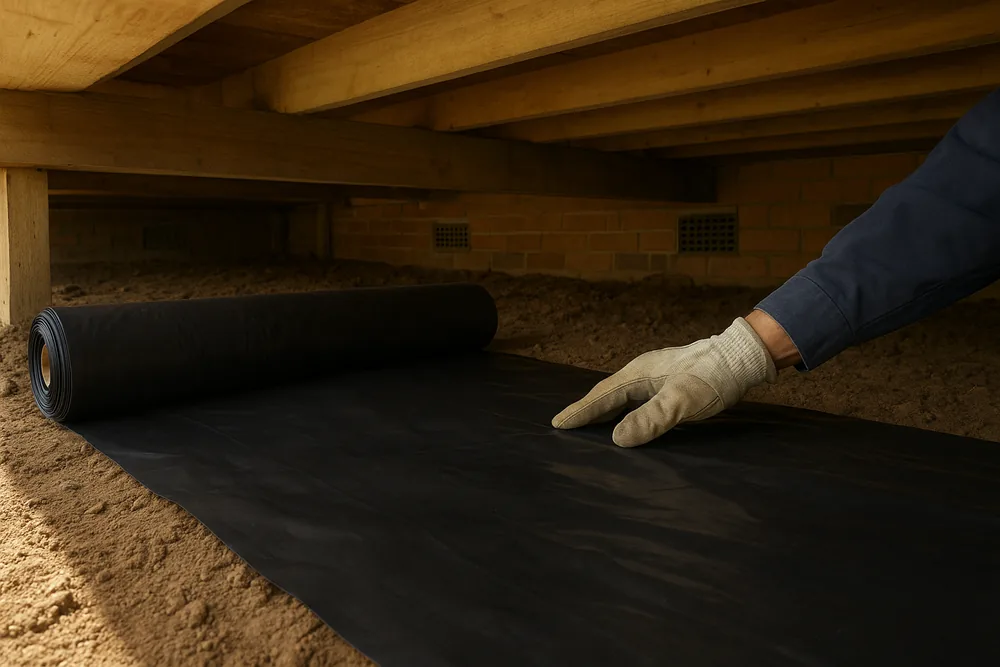
Where the ground under the floor is sealed with an impervious membrane, the National Construction Code allows the subfloor ventilation rate to be halved, because humidity in the space is no longer affected by moisture from the soil. If the damp looks structural rather than a ventilation problem, NSW Health says an experienced building consultant can check the damp course and recommend ways to fix it.
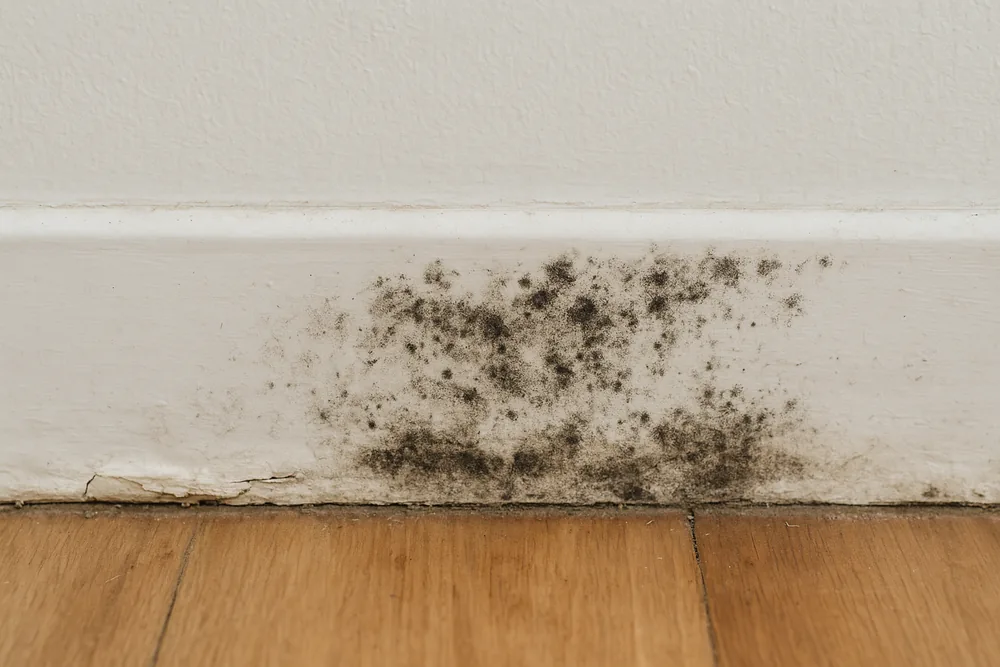
Before anything is disturbed
If you have rising or lateral damp, have the damp course checked before assuming more airflow alone will fix it. Cutting or drilling into old wall sheeting is a separate question from ventilation, and asbestos in older walls was not researched for this trade. The high water table page covers the case where the ground itself stays wet.
Ask the provider whether the quote covers the cause (airflow, a membrane or the damp course) or only the symptom.
Subfloor ventilation costs and rules check
Rising Damp and Mould Under the House on the Central Coast — common questions
Should I keep my subfloor vents uncovered?
Yes. NSW Health's advice is to ensure the weep holes and air vents at the base of the home are uncovered.
I rent my home and it has mould. What can I do?
If measures have been taken to keep the building properly ventilated and mould is still growing, NSW Health says to raise the issue with the owner or real estate agent.
Does a ground membrane change the ventilation needed?
For new work the Code allows the subfloor ventilation rate to be halved where the ground in the subfloor space is sealed with an impervious membrane, because humidity is no longer affected by moisture from the soil.
Subfloor Ventilation by suburb
- Subfloor Ventilation in Woy Woy
- Umina Beach
- Ettalong Beach
- Subfloor Ventilation in The Entrance
- Long Jetty
- Toukley
- Wyong
- Subfloor Ventilation in Gosford
- Saratoga
- Erina
- Terrigal
- Bateau Bay
- Killarney Vale
- Blue Haven
- Springfield
Ready to get your rising damp and mould under the house job quoted?
Free quote, one local provider, no obligation.
Last reviewed · Updated · First published